Understanding SaaS vs Self-hosted: What are the Differences and Benefits of Each?

SaaS, or Software-as-a-Service, is a software application readily accessible over the Internet without user installation via physical media (such as CDs and DVDs) or downloaded setup files.
Self-hosted SaaS refers to a particular type of SaaS hosting model. In general, the hosting responsibilities of a SaaS application lie with a third-party provider. Most commonly, this is the SaaS provider or the SaaS development company that develops, hosts, and maintains the application. However, in the case of self-hosted SaaS, a company purchases the license from the SaaS development company and is responsible for hosting the SaaS application on its own servers.
Key differences between SaaS and self-hosted?
Technically, both SaaS and self-hosted are the same, but the key difference lies in ownership of hosting, commercial considerations, and business compliances. Here are some other big differences:
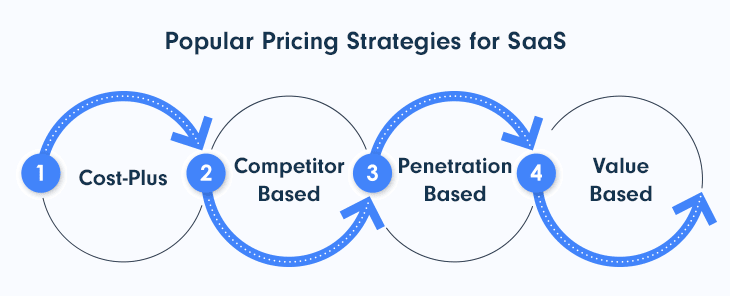
1. Pricing model
SaaS follows a subscription-based pricing model that charges every user a periodic subscription fee. It is most suitable for early-stage startups and small companies. Self-hosted SaaS involves a license cost for purchasing and setting up a self-managed hosting infrastructure where users from a medium or large-sized company have unlimited access to the SaaS application.
2. Support options
The SaaS provider is responsible for supporting users regarding application issues, software bugs, and hosting-related issues. In self-hosted, the responsibility lies with the company that purchases the license and is limited to hosting support only. In most cases of self-hosted, the company buys an additional support plan from the SaaS provider to provide development and customization-related support at the application level.
3. Scalability requirements
SaaS offers scalable hosting, allowing many users to access the application simultaneously. It instantly manages the surge in user activities since the hosting infrastructure is tuned to handle many concurrent users. However, scalability in self-hosted is limited, and expanding the user base requires additional investment in cloud infrastructure beyond initial migration, which you’ll have to plan with a long-term projection.
4. Vendor lock-in considerations
Choosing to host using a SaaS vendor results in migration over to a software solution where users are typically locked-in. Self-hosted allows a company to host the SaaS application on their servers, own the data, and build additional abstraction layers, which can plugin multiple SaaS applications via APIs.
5. Security compliances
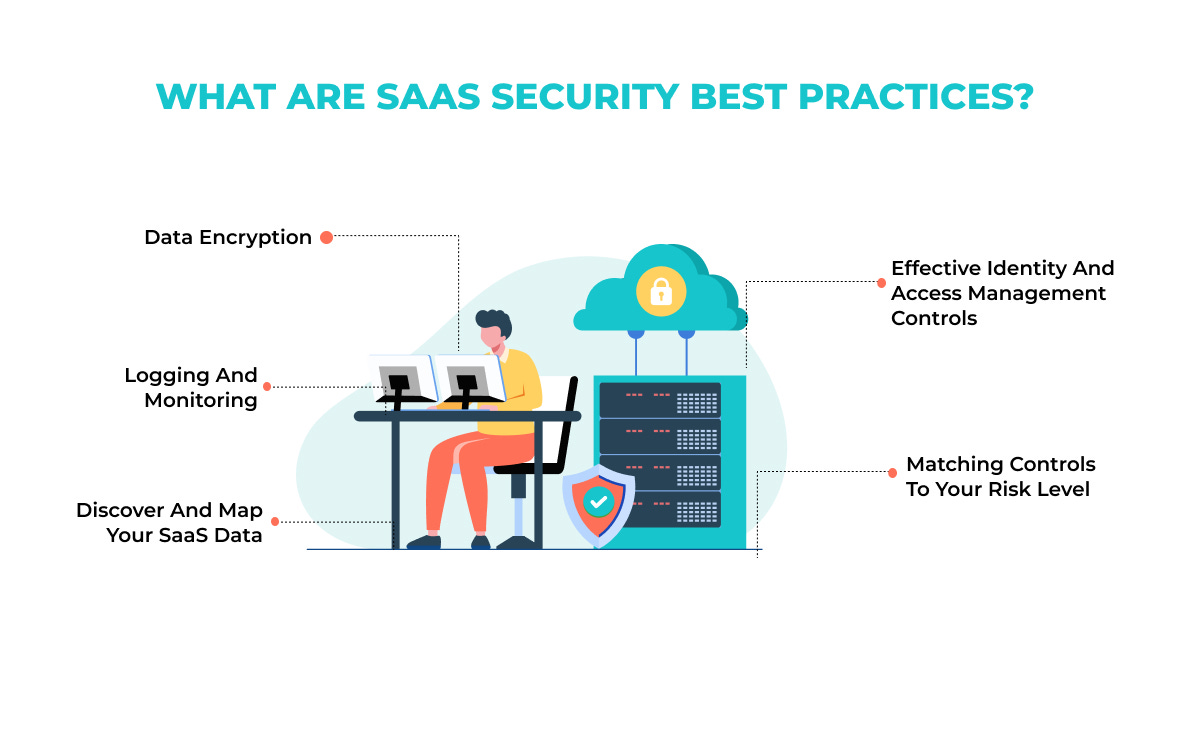
In the case of SaaS, the security and privacy compliances are the responsibility of the SaaS provider. For example, adhering to data protection regulations in line with GDPR, SAST testing to detect applications’ source code vulnerabilities, and implementing user access control methods like MFA. However, these requirements fall under your company’s purview in the case of self-hosted SaaS. If the company relies on a third-party cloud infrastructure, then your company is also responsible for conducting additional audits to maintain regulatory compliance.
This can often be a complex undertaking, with many best practices to consider such as:
SaaS vs self-hosted: Is it a trade-off between cost and data sovereignty?
On the one hand, SaaS eliminates the barriers to software usage through affordable subscription fees. The downside of this virtue is the loss of control over data and the lack of data sovereignty, which can become a business risk as your company grows and its products and services become increasingly competitive.
However, setting up a self-hosted SaaS can be incredibly frustrating due to the hidden overheads of managing the infrastructure.
Attempting to attain the benefits of SaaS with flexible hosting options while maintaining full control over your software? Control Plane’s platform leverages cloud-native architecture to operate client infrastructure with minimized overheads and built-in security and compliance functionality. With auto scale and Control Plane’s Capacity AI™ built-in feature, you can slash your cloud compute costs by 60-80%.
Control Plane both manages your workloads and provides an Internal Developer Platform (IDP) that helps you start in minutes and rapidly move SaaS applications to a production-grade, self-hosted SaaS environment with a streamlined and intuitive developer experience.
Thinking about trying the Control Plane platform? Request a demo today.